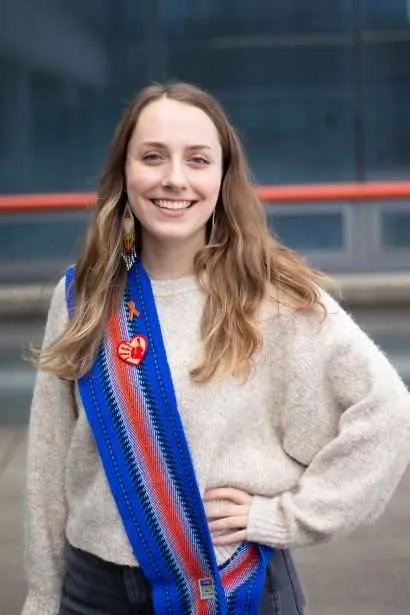
Sierra Scollard
Sierra Scollard (she/her) is a member of the Kitigan Zibi Anishinabeg First Nation with mixed Algonquin, Ojibwe, and white settler ancestry. She holds a B.A. in Psychology from Queen’s University and is a recent graduate of the Master of Public Health program at the University of British Columbia. Her academic and professional interests focus on Indigenous health, mental health, and health promotion. At the Indigenous Equity Lab, Sierra works on the STEM project, which examines major depressive disorder and the use of pharmacogenomic testing, with a focus on Indigenous engagement and culturally safe approaches to this work.
.jpg)
Piper Scott-Fiddler
Piper Scott-Fiddler, MSc (she/her) is a proud citizen of Métis Nation British Columbia. She is Métis and a mixed settler researcher with a background in Indigenous health service research. Her work centers on community-driven approaches to family planning and reproductive health, prioritizing the perspectives and experiences of Métis and Indigenous communities in British Columbia. Piper’s positionality as a Métis woman with family roots in Prince Albert, Saskatchewan (Treaty 6), and Red River settlement (Treaty 1) informs her commitment to strengths-based, culturally grounded, and decolonizing methodologies that honour Indigenous knowledge, sovereignty, and relational accountability.

Cherysh Perry
Cherysh Perry (she/they) is a citizen of the Nisg̱a’a First Nation with mixed Nisg̱a’a and settler European ancestry. She resides on the traditional unceded homelands of the xʷməθkwəy̓əm, Sḵwx̱wú7mesh, and Səl̓ílwətaɬ Nations. Cherysh is a MSc student, supervised by Dr. Bingham in the Women+ and Children’s Health Sciences program at the University of British Columbia where she hopes of creating more culturally safe healthcare informed by traditional knowledge and healing. She is currently working as a research assistant at the Indigenous Equity Lab. In her free time, she is a traditional Nisg̱a’a dancer with the Vancouver Nisg̱a’a Ts’amiks Dancers and a member of their executive planning team.
.jpg)
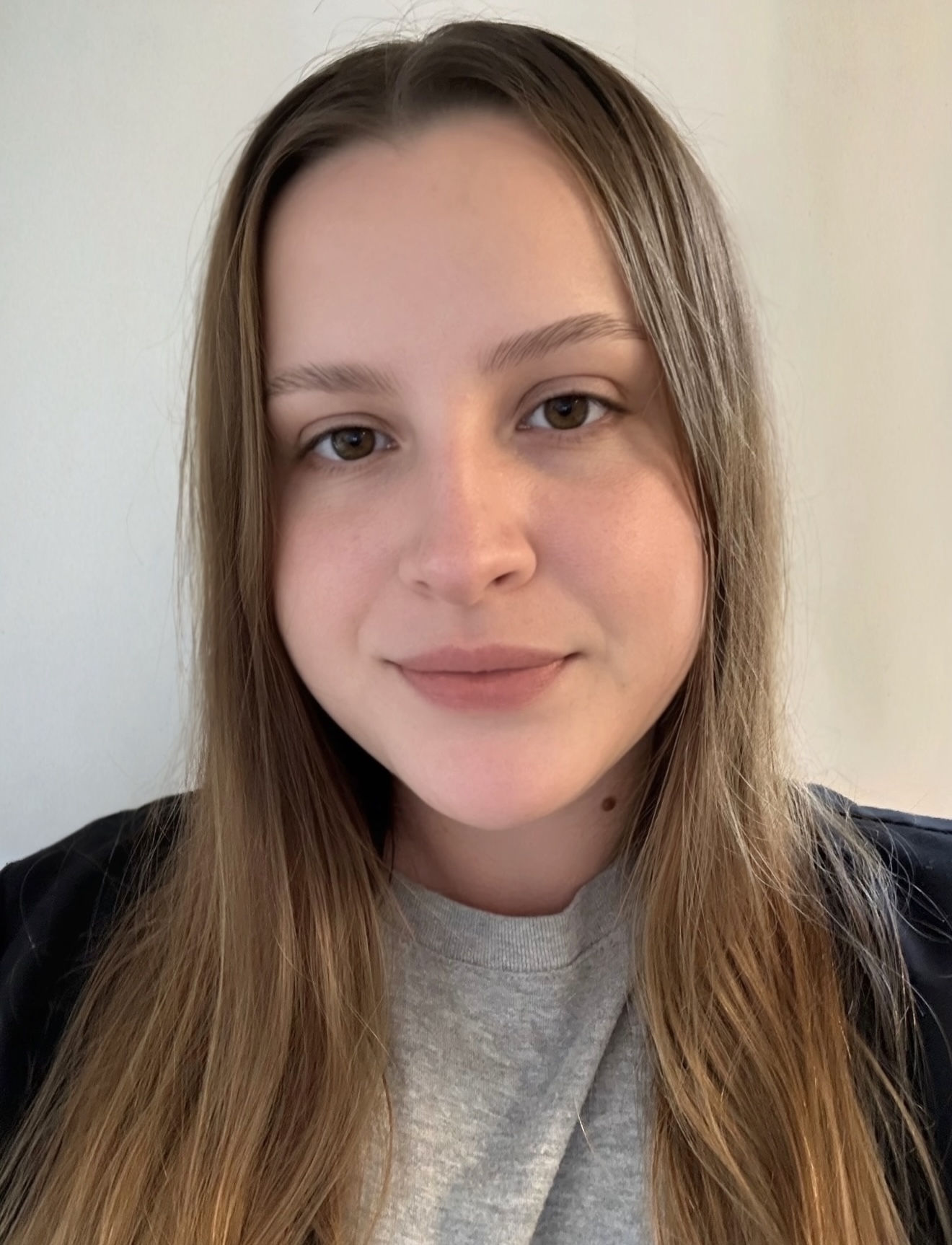
Danielle Harkey
Danielle Harkey (she/her) is Coast Salish from the hən̓q̓əmin̓əm̓ speaking peoples of the Musqueam Indian Band, now known as Vancouver. Danielle’s family lineage is predominantly Musqueam, with close relatives on Vancouver Island, the Fraser Valley and countless extended relatives across Coast Salish territory. Danielle has had the privilege of being raised on her home reservation, and this connection to her traditional lands and community has allowed her to be immersed in her culture, ceremony, and family practices since birth.
Danielle holds a Master of Public Health from UBC and a Bachelor of Arts in Health Sciences from SFU, and she worked as a Licensed Practical Nurse briefly in her early career. Danielle has experience at varying levels of the healthcare system and in community; her most recent role was Operations Lead of the Indigenous Health team at BC Children’s and Women’s Hospital.
Danielle is currently working on the IMPACT (Investing in Matriarchal Power, Access, Care and Traditional Wellness) project, where she is working to amplify the voices of Indigenous women+ as it relates to menopause care, as well as the Ovarian Cancer project at the IEQ. Danielle is passionate about traditional healing and food sovereignty, and her hobbies include running, reading, cooking and listening to podcasts.
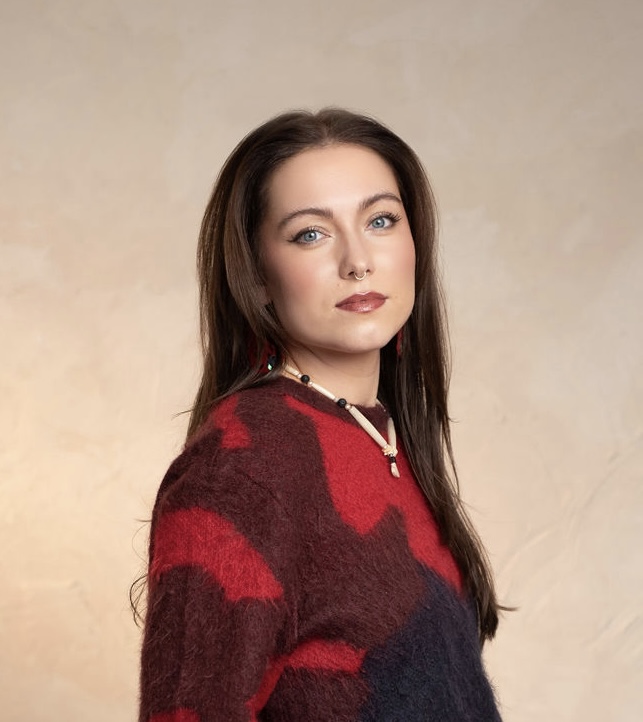
Chelsey Perry
Chelsey Perry is a citizen of the Nisg̱a’a First Nation from the village of Gingolx in the Northern BC. She currently lives, works, and learns on the traditional unceded homelands of the xʷməθkwəy̓əm, Sḵwx̱wú7mesh, and Səl̓ílwətaɬ Nations. Chelsey is an Indigiqueer PhD (c) in the Department of Medicine at the University of British Columbia. At the Indigenous Equity Lab, Chelsey’s research focuses on Indigenous health, gender equity, rematriation, climate and planetary health, BC First Nation sovereignty, reproductive justice, and health policy. Chelsey is on the National Steering Committee for Indigenous Climate Action, an executive committee member for the Nisg̱a’a Ts’amiks Dancers, a Nisg̱a’a dancer, and an artist.
www.linkedin.com/in/chelseyperry

Dr. Brittany Bingham
Dr. Brittany Bingham - (she/her/hers), is a proud member of the shíshálh (Sechelt) Nation and holds an MPH and PhD in Health Sciences from Simon Fraser University. Brittany is an Assistant Professor in the Division of Social Medicine in the Faculty of Medicine at the University of British Columbia and a Health Research BC Scholar. Brittany is the lead and founder of the Indigenous Equity Lab where her work, grounded in Matriarchal wisdom, focuses on Indigenous women’s health, gender equity, climate justice, and system transformation. Brittany leads Indigenous community-driven health research with the primary aim of improving Indigenous experiences in healthcare and informing system transformation. She has worked in various capacities in research with Indigenous communities, healthcare and policy for 20 years. She is passionate about community-driven research, Indigenous health equity & women’s health, implementation science, planetary health, sexual and reproductive health, learning health systems and cultural safety & humility.


%20(1)%20(1).jpg)
%20(1)%20(1).jpg)
.jpg)